
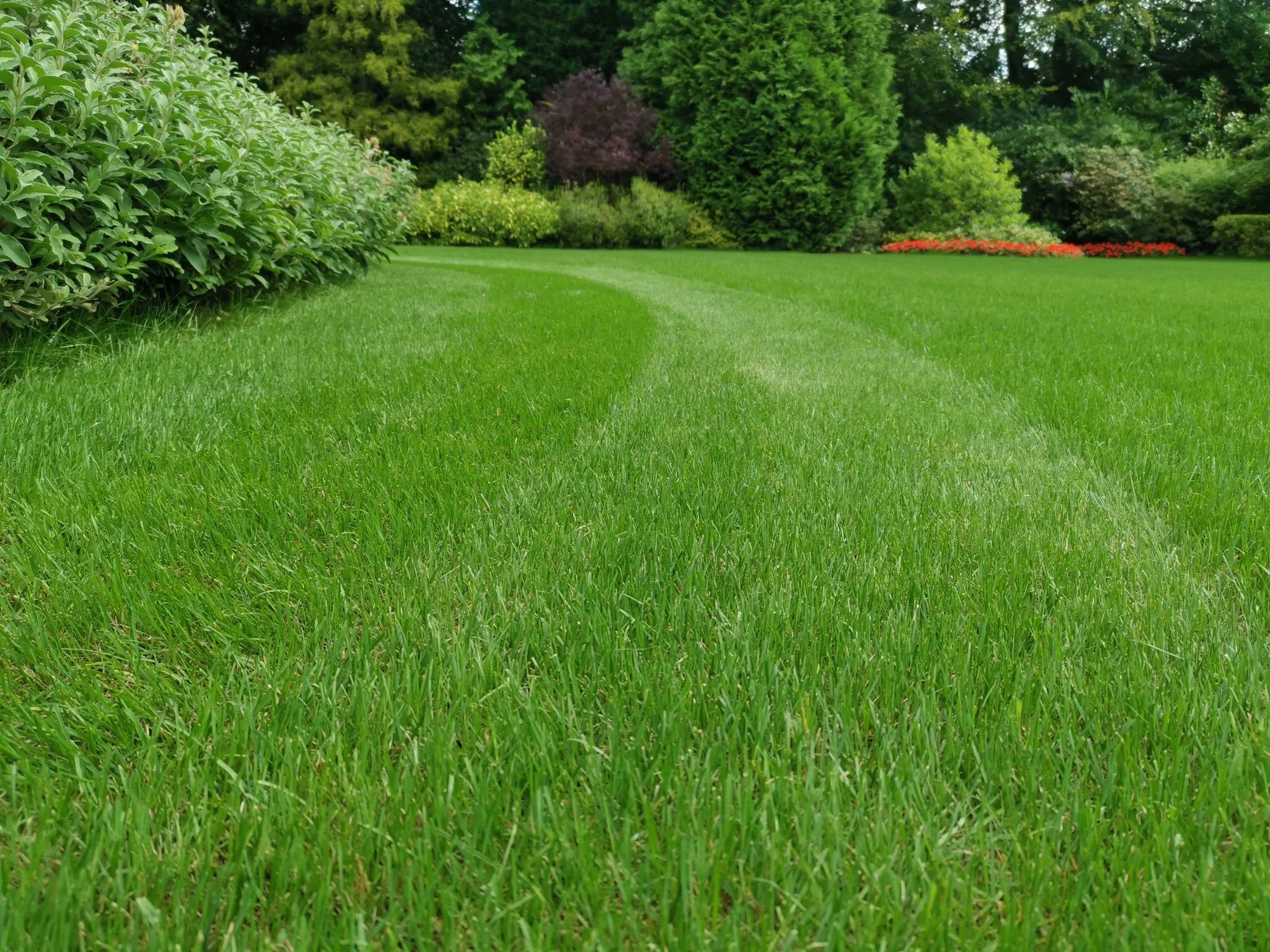
Maintaining a luscious, green lawn can be a delightful endeavor for any homeowner. One of the key elements to achieving that picture-perfect yard is knowing when to fertilize your lawn. Timing is crucial, as it directly impacts the health and appearance of your grass. In this article, we’ll explore the best times to fertilize your lawn, the types of fertilizers to consider, and tips to ensure your fertilization efforts yield impressive results.
Understanding Grass Types and Their Growth Cycles
Before diving into the specifics of fertilization, it’s important to recognize that the timing largely depends on the type of grass you have. Generally, grasses fall into two categories: cool-season and warm-season grasses.
Cool-season grasses, such as Kentucky bluegrass and fescue, thrive in the northern regions, growing best during the spring and fall when temperatures are mild. The ideal time to fertilize these grasses is in early spring (around April) when they begin to awaken from dormancy and again in early fall (around September) to prepare them for winter.
Conversely, warm-season grasses, including Bermuda and Zoysia, flourish in the southern regions where the summers are hotter. These grasses grow most vigorously from late spring through summer, making late spring (around May) and mid-summer (around July) the prime times for fertilization.
The Ideal Seasons for Fertilization
Early Spring: For cool-season grasses, applying a nitrogen-rich fertilizer in the early spring stimulates growth just as the grass begins to come out of dormancy. This is the perfect opportunity to provide essential nutrients that the grass will need for vigorous growth.
Late Spring to Early Summer: Warm-season grasses benefit from fertilization in late spring when soil temperatures consistently reach 65°F (18°C). This encourages healthy growth during the peak summer months.
Fall Feeding: Regardless of your grass type, a fall application of fertilizer is beneficial. For cool-season grasses, this helps them recover from summer stress and prepares them for winter. Meanwhile, for warm-season grasses, a late summer fertilization supports root development ahead of the cooler months.

Choosing the Right Fertilizer
The type of fertilizer you choose can significantly influence the success of your lawn care efforts. Generally, fertilizers contain three primary nutrients: nitrogen (N), phosphorus (P), and potassium (K).
– Nitrogen promotes lush, green growth and is crucial for both grass types.
– Phosphorus aids in root development and overall plant health.
– Potassium enhances drought resistance and pest tolerance.
When selecting a fertilizer, look for a balanced or specialized mix suited to your grass type and local soil conditions. Conducting a soil test can provide valuable insights and help you decide which nutrients your lawn needs most.
Additional Tips for Effective Fertilization
To maximize the effectiveness of your fertilization, consider these helpful tips:
– Water Before and After Application: Ensure your lawn is well-watered before applying fertilizer, as this promotes nutrient absorption. After fertilization, a light watering can help the particles penetrate the soil.
– Follow Application Guidelines: Adhere to the recommended rates on the fertilizer packaging. Over-fertilizing can lead to burnt grass and environmental runoff.
– Consider Weather Conditions: It’s best to fertilize when the weather is calm, with no heavy rains expected immediately after application. This prevents runoff and ensures that the nutrients stay where they belong.
– Regular Maintenance: Combining fertilization with regular mowing and aeration can significantly enhance your lawn’s overall health, leading to a more vibrant and lush yard.
Knowing when to fertilize your lawn is a vital component of effective lawn care. By considering your grass type and following the seasonal guidelines, you can ensure that your lawn receives the nutrients it needs at the right time. Remember, a beautiful lawn doesn’t happen overnight—patience and consistent care will reward you with a verdant paradise right outside your door! Whether you’re nurturing cool-season or warm-season grass, keeping these tips in mind will put you on the path to a thriving, green lawn.