
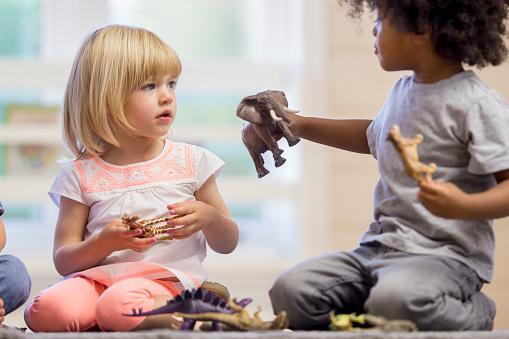
As parents, caregivers, or educators, we often ponder the essential lessons that will shape a child’s future. The early years are a crucial time for learning and development, making it vital to impart wisdom that fosters growth, resilience, and empathy. In this article, we’ll explore some of the most important lessons to teach children, ensuring they have a strong foundation for their journey ahead.
The Value of Kindness and Empathy
One of the most fundamental lessons we can teach children is the importance of kindness. Instilling empathy in young minds helps them understand and relate to the emotions of others. Encourage kids to consider how their actions affect those around them, whether it’s sharing their toys, offering a helping hand, or simply lending an ear. Role-playing scenarios can be an effective way to illustrate these concepts. For instance, when children see a friend feeling sad, discussing ways they might comfort them can foster not only empathy but also emotional intelligence.
The Importance of Resilience and Perseverance
Life is full of challenges, and teaching children how to navigate obstacles is paramount. Resilience—the ability to bounce back from setbacks—can be cultivated through various activities. Encourage children to embrace mistakes as learning opportunities. When they struggle with a difficult task, remind them that persistence is key. Use examples from your own life where perseverance led to success, showing them that efforts yield results. This lesson not only builds character but also prepares them for the inevitable ups and downs they will face as they grow.
Developing Critical Thinking Skills
In our rapidly changing world, critical thinking skills are more important than ever. Teach children to ask questions, analyze situations, and evaluate information critically. Engage them in discussions about different topics, prompting them to express their views and reasoning. Activities like puzzles, strategy games, and thought-provoking books can stimulate their minds. By nurturing their ability to think independently, we prepare them to make informed decisions, solve problems effectively, and navigate complexities with confidence.
The Power of Gratitude and Appreciation
Gratitude is a powerful emotion that fosters a positive outlook on life. Teaching children to appreciate what they have can improve their happiness and overall well-being. Encourage them to express gratitude regularly, whether that’s thanking family members for their support or recognizing the beauty in nature. Simple practices, such as keeping a gratitude journal or discussing what they’re thankful for each day at dinner, can cultivate this mindset. Gratitude not only enhances personal happiness but also strengthens relationships, reinforcing the sense of community and connectedness.

Lifelong Lessons for a Bright Future
Teaching children these important lessons lays the groundwork for their future successes and happiness. Kindness and empathy nurture healthy relationships, resilience and perseverance build character, critical thinking fosters independence, and gratitude cultivates positivity. As adults, it’s our responsibility to guide the next generation, equipping them with the tools they need to thrive in a complex world. Remember, the lessons we impart today will echo throughout their lives, shaping them into compassionate, resilient, and thoughtful individuals. Let’s invest in their future by teaching them the values that truly matter.