
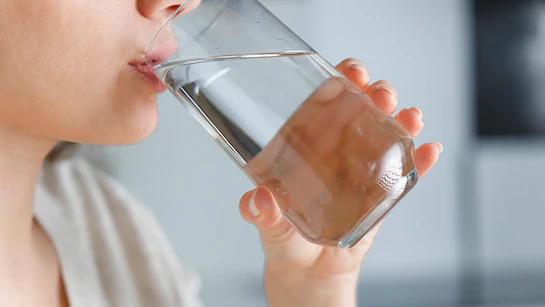
Staying hydrated is essential for overall health and well-being, but how much water do we really need to drink each day? With all the varying opinions and guidelines out there, it can be confusing to determine the right amount. In this article, we’ll explore the factors that influence hydration needs, debunk some common myths, and offer practical tips to help you stay adequately hydrated.
Understanding Hydration Needs
The general recommendation for daily water intake has long been around eight 8-ounce glasses, which equals about 2 liters, or half a gallon. This is known as the “8×8” rule, and while it serves as a useful guideline, individual hydration needs can vary significantly based on several factors. Age, sex, physical activity level, climate, and overall health play crucial roles in determining how much water you should consume.
For example, active individuals may require more fluids to replace what’s lost through sweat, while those living in hot or humid climates might also need to up their intake. Additionally, pregnant or breastfeeding women usually require additional hydration. It’s important to listen to your body; thirst is a good indicator that it’s time to drink.
Myths About Water Intake
There are many misconceptions surrounding hydration. One prevalent myth is that the “8 glasses a day” recommendation applies to everyone. In reality, the National Academies of Sciences suggests a higher daily fluid intake: about 3.7 liters (or 13 cups) for men and 2.7 liters (or 9 cups) for women, including all beverages and food.
Another common belief is that you must drink plain water to stay hydrated. While water is indeed the best choice, other beverages like herbal tea, milk, and fruit juices, along with moisture-rich foods like fruits and vegetables, also contribute to your total fluid intake. So, if you enjoy your morning cup of coffee or that refreshing glass of lemonade, rest assured—they count toward your hydration goals!

Signs of Dehydration
Recognizing the signs of dehydration is vital for maintaining optimal health. Early symptoms may include thirst, dry mouth, fatigue, and reduced urine output. As dehydration progresses, you may experience dizziness, confusion, rapid heartbeat, and even fainting. Monitoring the color of your urine is also a handy way to gauge hydration levels—pale yellow typically indicates adequate hydration, while dark yellow suggests that it’s time to drink up.
Practical Tips for Staying Hydrated
Carry a Water Bottle: Having a refillable water bottle can serve as a constant reminder to drink throughout the day. Aim to refill it at least a couple of times.
Infuse Your Water: If plain water bores you, try infusing it with fruits, vegetables, or herbs. Slices of lemon, cucumber, or sprigs of mint can make drinking water more enjoyable.
Set Reminders: Use your phone or a hydration app to set reminders to drink water regularly, especially if you tend to forget.
Listen to Your Body: Pay attention to your thirst cues and drink whenever you feel thirsty. It’s your body’s natural way of signaling that it needs more fluids.
Stay Hydrated
The right amount of water to drink each day isn’t a one-size-fits-all answer. By taking into account your individual lifestyle, climate, and personal health, you can better determine your specific hydration needs. Remember, staying properly hydrated enhances your energy levels, supports digestion, and keeps your skin looking vibrant. So, grab that water bottle, monitor your intake, and enjoy the benefits of staying hydrated every day!