
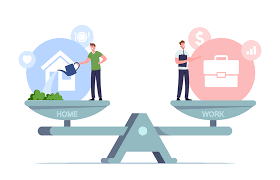
In today’s fast-paced world, finding a balance between home and work can feel like trying to juggle too many balls at once. The demands of career advancement, deadlines, and family responsibilities often collide, leaving many feeling overwhelmed. However, achieving a harmonious work-life balance is essential for personal well-being and productivity. This article explores effective strategies to help you find that coveted balance.
Understanding the Importance of Work-Life Balance
Before diving into strategies, it’s essential to understand why achieving a balance is necessary. A healthy work-life balance contributes significantly to your overall happiness and mental health. It reduces stress, prevents burnout, and fosters stronger relationships with family and friends. When you manage your time effectively, you’re likely to feel more motivated and engaged both at work and home. By recognizing the importance of this balance, you set the groundwork for making positive changes in your life.
Set Clear Boundaries
One of the first steps toward achieving a better balance is setting clear boundaries between work and home life. This means establishing specific times for work and family activities. For instance, create a dedicated workspace if you work from home and make it known to your family that during those hours, you are not to be disturbed unless it’s urgent. Communicate your work schedule with colleagues and boss as well, signaling when you’re available and when you’re not. These boundaries help to compartmentalize your responsibilities, making it easier to shift your focus from one area of your life to another.

Prioritize and Organize
To maintain balance, prioritizing tasks is crucial. Start each week by listing your work tasks and family commitments. Use tools like planners, apps, or even a simple spreadsheet to keep track of what needs to be done. Assess what is urgent versus what’s important. This can help prevent last-minute scrambles and ensure that both your professional and personal obligations receive the attention they deserve. Moreover, consider delegating tasks where possible—whether at work or home—to lighten your load.
Incorporate Flexibility
Life is unpredictable; therefore, flexibility is key in maintaining balance. Allow yourself to adapt your plans when necessary. For example, if a work deadline suddenly shifts, it’s okay to reassess your priorities for the day. Flexibility also includes the ability to mix family time with work obligations when possible. Perhaps take a break during your workday to have lunch with family or involve your loved ones in a recreational activity that provides relaxation and enjoyment for everyone.
Make Time for Yourself
Finally, never underestimate the importance of self-care in achieving work-life balance. Set aside time for activities that rejuvenate your spirit, whether it’s reading, exercising, or pursuing a hobby. It’s easy to become so engrossed in fulfilling obligations that you forget to care for yourself. Schedule “me time” just as you would any other important appointment. When you take care of your mental and physical health, you’ll be in a better position to handle the demands of both your home and work life.
**Conclusion**
Striking a balance between home and work is a continuous journey rather than a one-time achievement. By setting clear boundaries, prioritizing your tasks, incorporating flexibility, and ensuring you make time for yourself, you can create a more harmonious existence that benefits all facets of your life. Remember, it’s about progress, not perfection. Start implementing these strategies gradually, and with time, you’ll find a rhythm that works best for you. A balanced life doesn’t just lead to happier days; it lays the foundation for a more fulfilling future.