
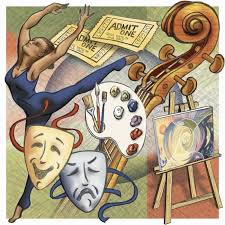
In the bustling world of creativity, the terms “art” and “entertainment” often intermingle, leading to a common misconception that they are one and the same. Both play crucial roles in culture and society, shaping our experiences and emotions. Yet, distinguishing between art and entertainment can offer profound insights into their unique contributions to our lives. In this article, we will delve into the definitions, purposes, and intersections of art and entertainment, shedding light on how these two realms coexist and diverge.
Understanding Art: More Than Meets the Eye
Art is an expansive concept that encompasses various forms of expression, including visual arts, literature, music, dance, and theater. At its core, art serves as a medium for self-expression, exploration, and reflection. Artists use their work to convey complex emotions, challenge societal norms, and provoke thought. Whether it’s a poignant painting that captures human suffering or a haunting melody that echoes the beauty of love, art invites audiences to engage with themes that resonate on a deep level.
Moreover, art often speaks to the human experience, encapsulating moments of joy, sorrow, struggle, and triumph. It transcends time and culture, offering a glimpse into different perspectives and histories. The purpose of art is not merely to entertain; it seeks to inspire, provoke dialogue, and foster connection among individuals.

The Nature of Entertainment: Joy and Escape
On the other hand, entertainment primarily focuses on providing enjoyment and distraction. This realm includes films, television shows, music concerts, video games, and live performances, all designed to captivate and amuse audiences. While entertainment can certainly convey messages or evoke emotions—think of a heartwarming film that makes you cry or a thrilling concert that gets your adrenaline pumping—it primarily aims to engage viewers, allowing them to escape from reality.
Entertainment often thrives on accessibility, catering to a broad audience with wide-ranging tastes. Its purpose is to provide relief from daily routines and stressors, offering laughter, excitement, and, sometimes, a sense of wonder. While entertainment can contain artistic elements, such as cinematography or storytelling, its primary goal is to enchant and engage rather than provoke deep thought.
Where Art Meets Entertainment: The Overlap
Despite their distinct definitions, art and entertainment frequently overlap in captivating ways. Many forms of entertainment are rooted in artistic expression. Consider Broadway musicals, where choreography, music, and acting coalesce to create an experience that entertains while also conveying powerful narratives. Similarly, movies often blend artistic cinematography with compelling storytelling, crafting a visual feast that resonates emotionally with audiences.
This intersection allows both art and entertainment to elevate each other. For instance, an artist may find inspiration in popular culture, creating thought-provoking pieces that interrogate the very nature of entertainment. Conversely, entertainers can draw on artistic techniques to enhance their work, transforming mainstream media into artful expressions.
The contemporary landscape further blurs these boundaries. Social media platforms allow artists and entertainers to showcase their talents to global audiences, breaking traditional barriers. Influencers often combine artistic endeavors with entertainment, creating content that is visually appealing while also engaging followers in relatable narratives.
The Impact of Art and Entertainment on Society
Understanding the difference—and the relationship—between art and entertainment is essential, especially in today’s rapidly evolving cultural landscape. Both serve indispensable functions within society. Art challenges perspectives and fosters dialogue, leading to social change and personal growth. Entertainment, meanwhile, offers respite and joy, enriching lives through laughter, thrills, and shared experiences.
As society grows increasingly complex, the role of both art and entertainment becomes more critical. They help us navigate the chaos of modern life, providing comfort, inspiration, and a sense of community. In classrooms, boardrooms, and living rooms alike, the influence of art and entertainment can spark conversations that inspire generations.
In conclusion, while art and entertainment may share common ground, they ultimately represent distinct aspects of our cultural landscape. Art delves into the depths of human emotion and experience, while entertainment brightens our days with joy and escapism. By appreciating their differences and recognizing their interplay, we can enrich our understanding of creativity and its impact on human existence. Whether you seek inspiration from a gallery or wish to unwind with a film, embracing both art and entertainment can lead to a fuller, more vibrant life.