
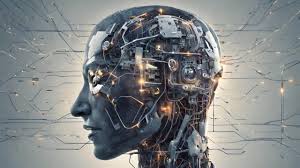
Artificial Intelligence (AI) has rapidly transformed from a concept of science fiction into a profound reality that influences nearly every aspect of our daily lives. As we stand on the precipice of an AI-driven age, it beckons the question: How does AI affect our future? The implications range from enhancing productivity to ethical dilemmas that challenge our societal values. In this article, we’ll explore the various facets of AI’s impact on our lives, economy, healthcare, and ethical considerations that will shape our tomorrow.
The Transformation of Industries
One of the most visible effects of AI is its capacity to revolutionize industries. In sectors like manufacturing, robotics powered by AI enhance efficiency and reduce operational costs. Automated systems can predict maintenance needs, minimizing downtime and leading to higher productivity. Similarly, in agriculture, AI-driven technologies analyze soil health and weather patterns, allowing farmers to make informed decisions that boost yield and sustainability.
The service industry is also experiencing a significant shift. Customer service bots, equipped with natural language processing, are now capable of handling complex inquiries, providing support 24/7 and freeing human employees to tackle more nuanced tasks. Furthermore, the financial sector utilizes AI algorithms for fraud detection, risk assessment, and personalized financial advice, demonstrating its versatility across various domains.

Enhancing Healthcare Outcomes
AI’s potential in healthcare is one of its most exciting applications. From predictive analytics that identify potential health risks to robotic surgery that improves precision, AI is on the frontline of transforming healthcare delivery. Machine learning models analyze vast amounts of patient data, resulting in personalized treatment plans that enhance patient outcomes significantly.
Additionally, AI assists in drug discovery, expediting the process of identifying new medications and decreasing the time and cost associated with bringing them to market. For instance, AI algorithms are being employed to simulate clinical trials, offering insights that traditional methods might overlook, thereby paving the way for breakthrough treatments.
Redefining Employment Landscape
While AI creates new opportunities, it also raises concerns about job displacement. Many fear that automation could lead to significant job losses, particularly in roles that involve repetitive tasks. However, history has demonstrated that while technology can displace jobs, it also creates them. New industries and roles emerge as old ones become obsolete.
For example, the rise of AI has led to increased demand for data scientists, AI ethicists, and technology trainers. Upskilling and reskilling the workforce will be crucial in this transition. Educational institutions and businesses must collaborate to equip individuals with the skills necessary to thrive in an AI-enhanced economy.
Navigating Ethical Implications
As we embrace AI, we must also grapple with its ethical implications. The question of accountability arises: who is responsible when an AI system makes a mistake? Additionally, issues surrounding data privacy are paramount; as AI systems rely on large datasets, safeguarding individual privacy becomes increasingly important.
Bias in AI algorithms poses another challenge. If training data reflects societal biases, the outcomes can perpetuate inequalities. Ensuring fairness in AI systems requires transparency and continuous oversight. These ethical dilemmas call for a collaborative effort between technologists, lawmakers, and ethicists to design a framework that prioritizes the wellbeing of all citizens.
Embracing the Future
As we move forward, AI’s influence on our future is undeniable and multifaceted. From enhancing industrial productivity to revolutionizing healthcare, AI presents exciting opportunities that can lead to improved quality of life. However, the challenges it brings—especially in employment and ethics—must be addressed thoughtfully.
By fostering a culture of lifelong learning and vigilance in developing fair and transparent AI systems, we can harness the power of AI to enrich our lives while safeguarding our values. The future, shaped by AI, holds great promise, but it is up to us to navigate it wisely. Embracing innovation while championing ethical standards will ensure that AI serves humanity, paving the way for a brighter tomorrow.