
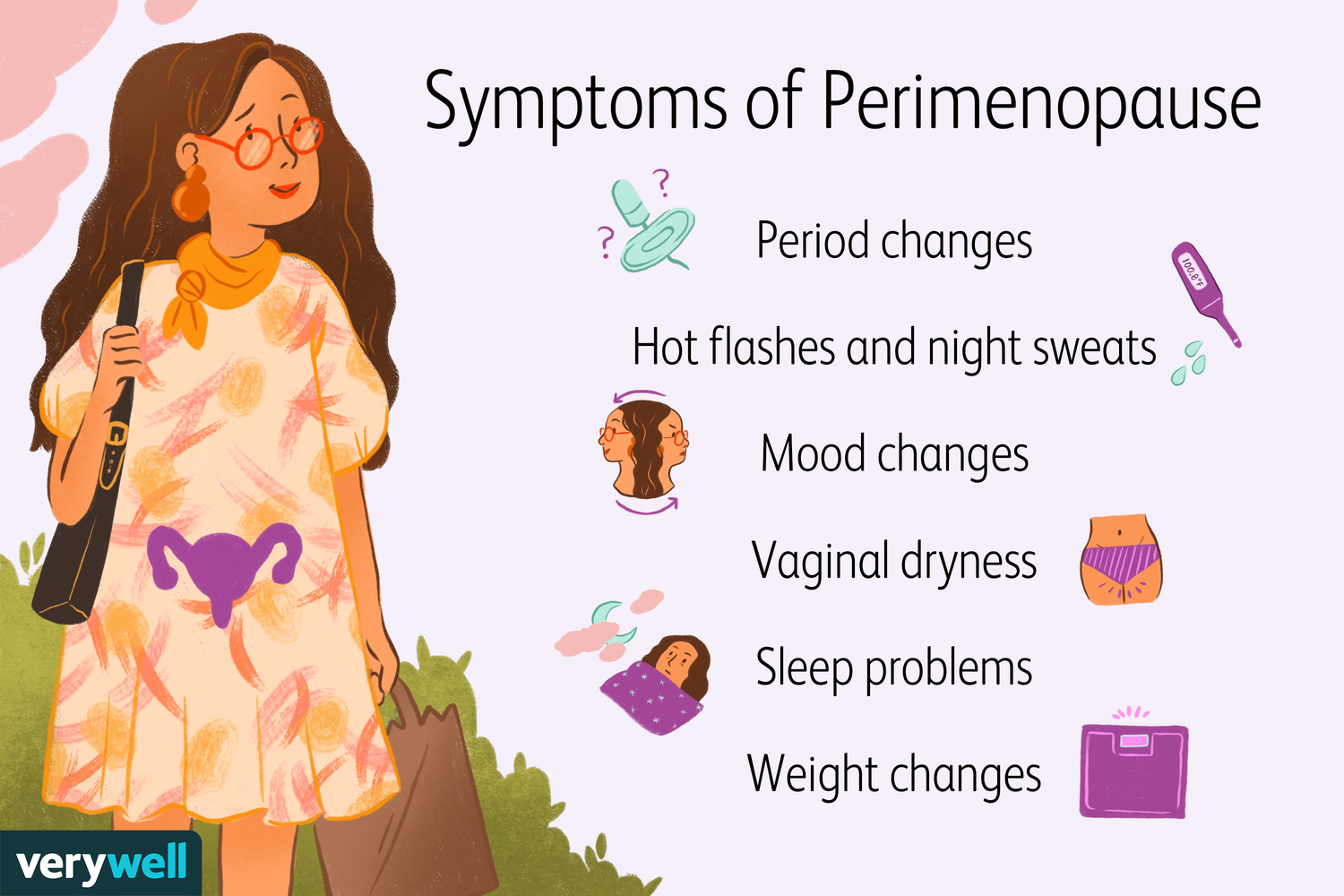
Perimenopause is a significant phase in a woman’s life, marking the transition towards menopause. This period can be both confusing and challenging, as hormonal fluctuations play a crucial role in physical and emotional health. Understanding the signs of perimenopause can empower women to navigate this transition more smoothly. So, what exactly should you be looking out for?
1. Irregular Menstrual Cycles
One of the most common signs of perimenopause is changes in menstrual cycles. Women may experience irregular periods, with intervals between periods becoming shorter or longer. Some might notice heavier bleeding, while others could find their flow significantly lighter. These variations are largely due to fluctuating hormone levels, particularly estrogen and progesterone, which can disrupt the regularity of menstrual cycles. It’s important to keep track of these changes, as they can vary greatly from one individual to another.

2. Hot Flashes and Night Sweats
Hot flashes and night sweats are perhaps the most notorious symptoms associated with perimenopause. A hot flash typically involves a sudden feeling of warmth, often accompanied by sweating and a rapid heartbeat. Night sweats can disrupt sleep, leading to fatigue and irritability during the day. These sensations occur due to hormonal changes affecting the body’s temperature regulation. While hot flashes can vary in intensity and duration, they often decrease in frequency as a woman nears menopause.
3. Mood Swings and Emotional Changes
Hormonal fluctuations during perimenopause can lead to mood swings, anxiety, or even depressive symptoms. Many women report feeling more irritable or experiencing heightened emotional reactions during this time. This emotional rollercoaster can result from the complex interplay of declining estrogen levels and how they affect neurotransmitters in the brain. Understanding that these mood changes are a normal part of the transition can help women seek appropriate support and coping strategies, whether through therapy, exercise, or mindfulness practices.
4. Sleep Disturbances
Difficulty sleeping is another common symptom that many women encounter during perimenopause. Hormonal shifts can interfere with the ability to fall asleep or stay asleep, leading to insomnia or restlessness at night. Night sweats can further exacerbate this issue, making it difficult to achieve a restful night. Establishing a calming bedtime routine, creating a comfortable sleep environment, or even consulting a healthcare provider for potential solutions can often alleviate these disturbances.
5. Changes in Libido and Sexual Health
Many women notice shifts in their sexual health during perimenopause. This can manifest as decreased libido or changes in lubrication, which can make sexual activity uncomfortable. These changes are again linked to fluctuating hormone levels, specifically estrogen and testosterone. Open communication with partners and healthcare providers about these changes is essential, as there are various options available to address sexual health concerns during this transitional phase.
6. Physical Changes and Weight Gain
Physical changes, such as weight gain or alterations in body composition, may also become apparent during perimenopause. Many women notice an increase in abdominal fat or changes in where they carry weight. This phenomenon can be attributed to hormonal changes that slow metabolism and alter fat distribution. Staying active, maintaining a balanced diet, and focusing on overall wellness can help manage these physical changes more effectively.
Navigating Perimenopause: Seek Support and Resources
Although perimenopause can bring various challenges, it’s important to remember that it is a natural and temporary phase of life. Educating oneself about the changes happening within the body can demystify the experience and reduce feelings of anxiety. Consulting with healthcare professionals can provide valuable insights and treatment options tailored to individual needs.
From hormone therapy to lifestyle adjustments, there are many avenues to explore for managing symptoms effectively. Support groups and community resources can also offer comfort, practical advice, and encouragement from others who are navigating similar experiences.
Embracing the Journey
In sum, recognizing the signs of perimenopause empowers women to embrace this transitional journey with greater awareness and resilience. By understanding and addressing symptoms like irregular cycles, hot flashes, mood swings, sleep disturbances, changes in libido, and physical transformations, women can navigate this phase more confidently. Embrace the journey, seek support when needed, and remember that each woman’s experience with perimenopause is unique, deserving of compassion and understanding.