Hair expert reveals the foods stopping your hair from growing, and the ones you should eat instead
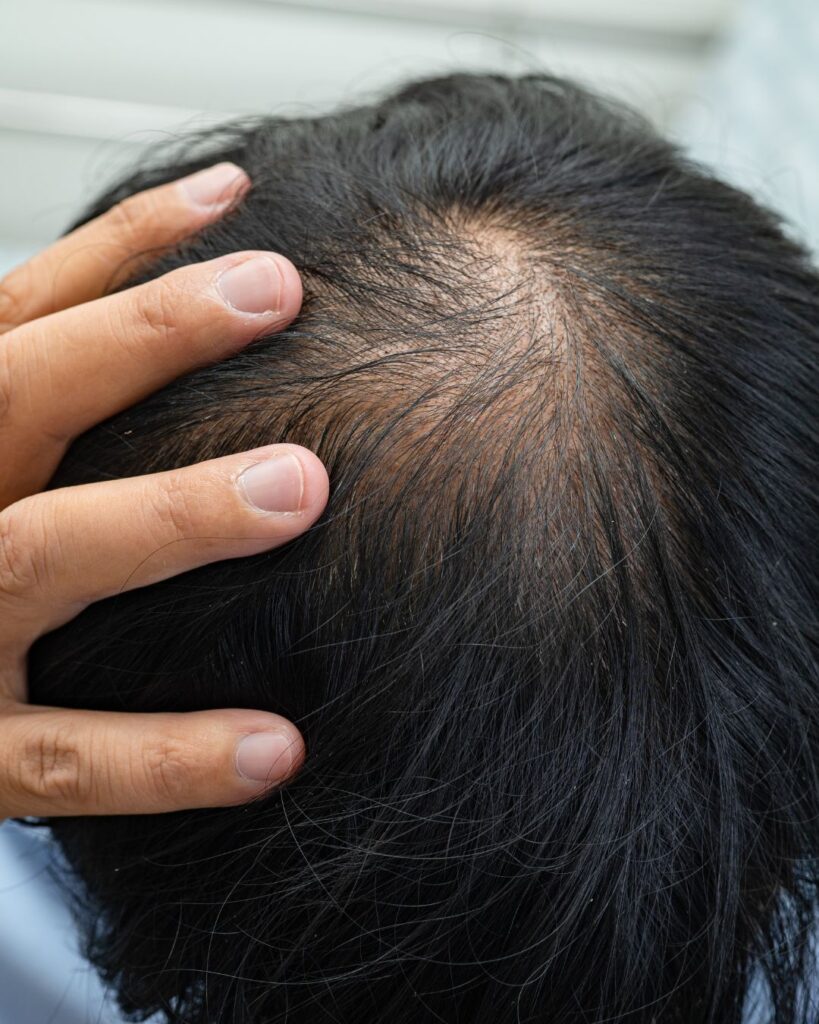
Whether you are trying to prevent hair loss or help your hair grow longer, the foods you eat can have a huge impact.
Hair transplant surgeon Dr. Terziler has revealed the worst foods for your hair, and has given advice on which foods you should add to your diet for improved hair health.
- Tuna
Tuna, as well as some other types of fish, like king mackerel and swordfish, is high in mercury. High mercury levels can cause several health problems, with hair loss being among them. While fish products like tuna have great nutritional value, studies suggest that high levels of mercury in the blood are associated with hair loss, so if you are trying to grow your hair, it is advisable to limit the amount you eat, while not completely cutting it out of your diet.

- Processed dairy foods
Consuming large amounts of high-fat processed dairy products, such as cheddar cheese, processed cheese slices, heavy cream, and ice cream, can increase oil production in the skin. This can cause clogged pores and an oily scalp, which can weaken hair follicles over time, leading to hair loss. These foods also promote inflammation, which can limit blood flow to the scalp, weakening hair follicles further and contributing to hair loss.
That said, low-fat, minimally processed dairy products like skim milk and cottage cheese can benefit hair growth by providing essential vitamins, so it is important not to stop eating dairy, just to choose your foods carefully.
- Fried and fast food
Eating a lot of fried food increases inflammation in the body, damaging the hair follicles and bringing on hair loss over time. These foods are also high in saturated fats, and when consumed excessively, they can cause hormone imbalances. They elevate dihydrotestosterone (DHT) levels in the body, which can cause hair loss by shrinking hair follicles on the scalp.
- Foods high in sugar and refined carbohydrates
Foods like candy, white bread, and potato chips that are high in sugar and refined carbs can cause hair loss by disrupting DHT levels and causing inflammation, similar to fried and fast foods. Spikes in blood sugar caused by these foods can also lead to insulin resistance over time, which has been linked to thinning hair and slower hair growth.
- Alcohol
High alcohol consumption can cause vitamin deficiencies or difficulty absorbing nutrients that are essential for hair health, such as zinc, protein and iron, by damaging the organs involved in processing them. The body also prioritizes metabolizing alcohol at the expense of other nutrients, meaning fewer nutrients are absorbed with alcohol in your system, even if you don’t drink excessively.
Alcohol can also increase cravings for fried and fast foods, as well as foods high in sugar and refined carbs, which contribute to hair loss.
Dr. Terziler has commented,
“While these foods do affect hair loss, it is important to remember that you can still enjoy them, just in moderation. Especially with Christmas coming up, many people will be consuming more sugary treats, processed dairy, fried foods, and alcohol than usual, and you shouldn’t completely restrict yourself. Instead, be aware of how often you are choosing these options and try to balance them with foods that support hair growth.
“Nutrients like iron, zinc and protein are crucial for healthy hair and preventing hair loss. Iron helps deliver oxygen to the scalp, zinc supports tissue repair and reduces inflammation, and protein is essential for producing keratin, which is the main component of hair. Adding foods such as lean meats, eggs, legumes, leafy greens, nuts and seeds into your meals can help keep your hair healthy and resilient.
“You don’t have to completely change your diet to improve your hair health; small changes can make all the difference.”