
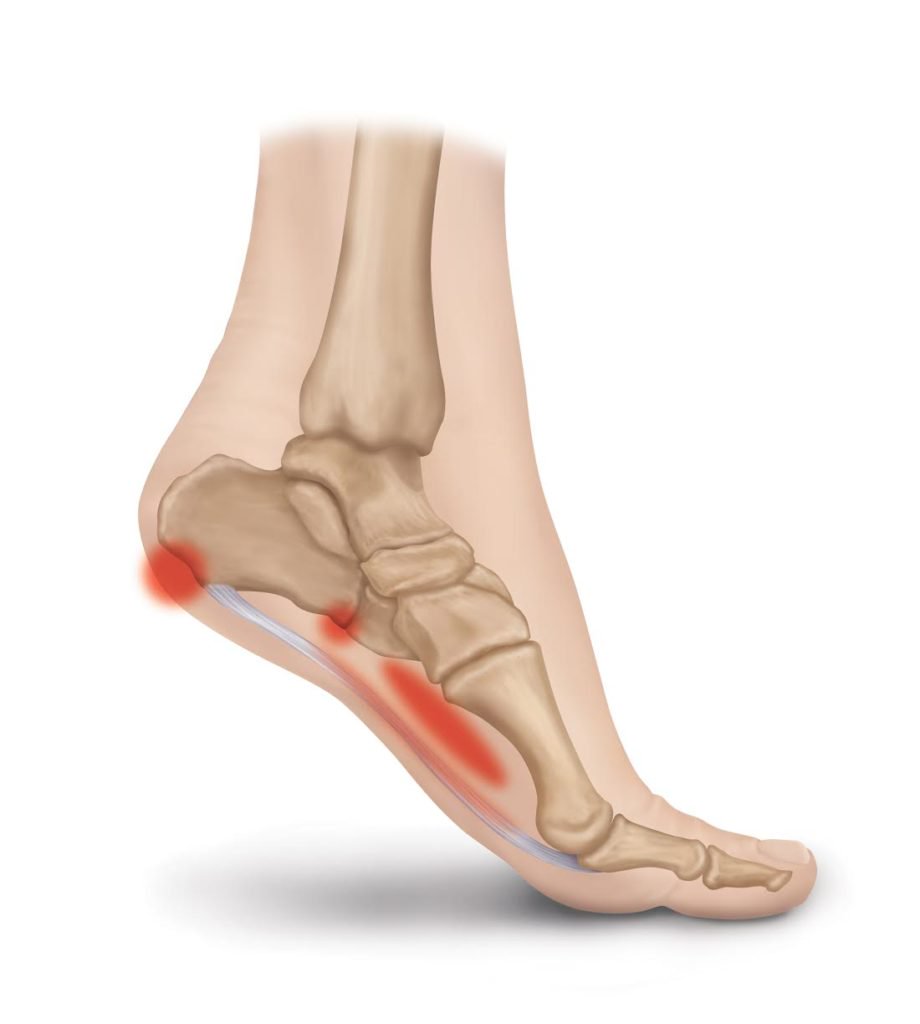
Plantar fasciitis is a common condition that can turn everyday activities into painful experiences. If you’ve been grappling with persistent heel pain, you’re not alone. This condition typically occurs when the plantar fascia, a thick band of tissue connecting your heel to your toes, becomes inflamed. Fortunately, there are various ways to manage and alleviate the discomfort associated with plantar fasciitis. Let’s explore some effective strategies that can help you get back on your feet.
Understanding the Symptoms and Causes
Before diving into treatment options, it’s essential to recognize the symptoms of plantar fasciitis. The hallmark sign is sharp heel pain, especially noticeable with the first steps in the morning or after sitting for extended periods. You may also feel discomfort after prolonged activity or when standing up after being seated.

Several factors contribute to the development of this condition, including obesity, improper footwear, and high-impact activities. Runners and those who spend long hours on their feet are particularly at risk. Understanding these factors can be crucial in preventing further issues and seeking appropriate treatment.
Effective Treatment Options
When dealing with plantar fasciitis, the first approach usually involves conservative treatments. Here are some effective strategies:
1. Rest and Ice: Giving your feet time to heal is paramount. Take breaks from activities that aggravate your symptoms. Applying ice to the affected area for about 15-20 minutes several times a day can significantly reduce inflammation and provide relief.
2. Stretching Exercises: Engaging in calf stretches and plantar fascia-specific stretches can help alleviate tightness. Simple exercises, such as rolling your foot over a frozen water bottle or using a tennis ball, can promote flexibility and reduce strain.
3. Orthotic Inserts: Investing in good arch supports or custom orthotics can make a world of difference. These inserts help distribute pressure more evenly across your feet and provide the necessary cushioning to alleviate pain.
4. Footwear Choices: Opt for supportive shoes with good arch support and cushioning. Avoid flat-soled shoes or those with inadequate support, as they can exacerbate your symptoms.
Incorporating Lifestyle Changes
Beyond immediate treatments, certain lifestyle changes can aid in managing and preventing plantar fasciitis. Maintaining a healthy weight can lessen the strain on your feet. Additionally, cross-training by incorporating low-impact activities, such as swimming or cycling, can help maintain fitness levels while reducing stress on the plantar fascia.
It’s also advisable to gradually increase the intensity of physical activities rather than jumping into high-impact exercises. Listen to your body; if you start feeling pain, it’s a signal to slow down or modify your routine.
When to Seek Professional Help
While most cases of plantar fasciitis can be managed with home remedies and lifestyle changes, sometimes professional intervention is necessary. If your symptoms persist despite diligent self-care, consider consulting a healthcare provider. They may recommend physical therapy, corticosteroid injections, or in rare cases, surgery, if conservative treatments fail.
Remember, early intervention is key. The sooner you address your symptoms, the quicker you can return to your preferred activities without pain.
There is hope
Dealing with plantar fasciitis can be a challenging journey, but understanding the condition and employing effective strategies can lead to significant improvement. By incorporating rest, stretching exercises, proper footwear, and lifestyle adjustments, you can effectively manage your symptoms and regain your comfort. Don’t hesitate to seek professional help if needed. With the right approach, you can step into a pain-free future and enjoy the activities you love once again!