
In an increasingly interconnected world, the quest to learn about our ancestors has become more than just a hobby; it’s an exciting adventure filled with self-discovery and historical exploration. Understanding where we come from can deepen our appreciation for culture, heritage, and family stories. Whether you’re a beginner or have already delved into your family tree, learning about your ancestry offers valuable insights. Let’s embark on this enlightening journey together!
Uncovering the Basics of Ancestry Research
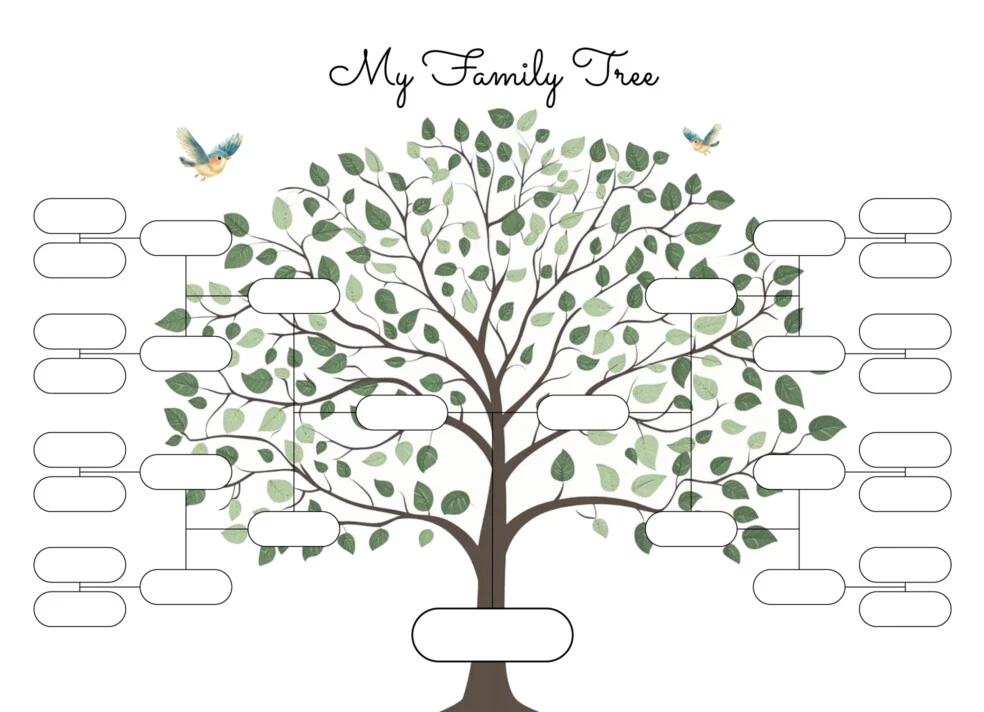
Before diving deep, it’s essential to grasp the fundamentals of ancestry research. Begin by gathering information from your family members. Start with conversations, interviews, or even simple questionnaires to glean personal stories, names, dates, and places. Grandparents often hold treasures of information that might not be documented elsewhere. Create a family tree chart to visualize relationships—it’s a fantastic way to see connections and gaps in your knowledge.

Once you’ve compiled family stories, consider exploring public records. Birth certificates, marriage licenses, and census data can provide additional context to your lineage. Online databases such as Ancestry.com or FamilySearch.org serve as invaluable resources, allowing you to search vast collections of historical documents and connect with distant relatives. By piecing together these fragments, you start to build a clearer picture of your family’s past.
The Importance of DNA Testing
In recent years, DNA testing has revolutionized the way we understand our ancestry. Companies like 23andMe and AncestryDNA offer kits that analyze your genetic makeup, providing insights into your ethnic background and potential relatives. This scientific approach adds another layer to your research, confirming or challenging what you’ve learned through traditional methods.
Many people find surprising results from DNA tests, discovering unexpected ancestral ties or uncovering parts of their heritage that were previously unknown. Keep in mind that interpreting these results can sometimes be complex, as DNA testing doesn’t tell the full story. Cultural identity is multifaceted, and DNA is just one of many elements that shape who we are.
Connecting with Heritage Through Culture and Traditions
Learning about your ancestry goes beyond names and dates; it invites you to delve into the rich tapestry of traditions and cultures that have shaped your family. Researching the historical context of your ancestors’ homeland can offer profound insights into their lives, struggles, and triumphs. For instance, if your lineage traces back to Ireland, learning about the Great Famine or traditional Irish music can provide a deeper appreciation of your roots.
Participating in cultural events, festivals, or even cooking family recipes can help you connect with your heritage on a personal level. Share these experiences with family and friends, fostering a sense of belonging and pride in your ancestry. By embracing your cultural legacy, you not only honor your forebears but also enrich your own identity.
Embracing the Journey of Discovery
Embarking on the path of ancestral discovery can be a rewarding experience. While it may involve challenges—such as navigating conflicting records or elusive relatives—the process itself is transformative. Each new piece of information can bring a sense of connection, helping you feel grounded in a broader narrative.
As you explore your ancestry, remember to document your findings. Write down your family stories, create a scrapbook, or start a blog to share your experiences. By sharing your journey, you inspire others to embark on their own quests, fostering a community of individuals passionate about understanding their roots.
Ultimately, learning about your ancestry is not merely about tracing bloodlines; it’s about forging connections across time and space. It allows us to appreciate the diverse paths that have led to our existence and encourages us to continue the legacy of storytelling for future generations. So, take a step back, look at the lives of those who came before you, and let their journeys influence your own. With every story you uncover, you weave together a narrative that honors the past while shaping your future. Happy exploring!