
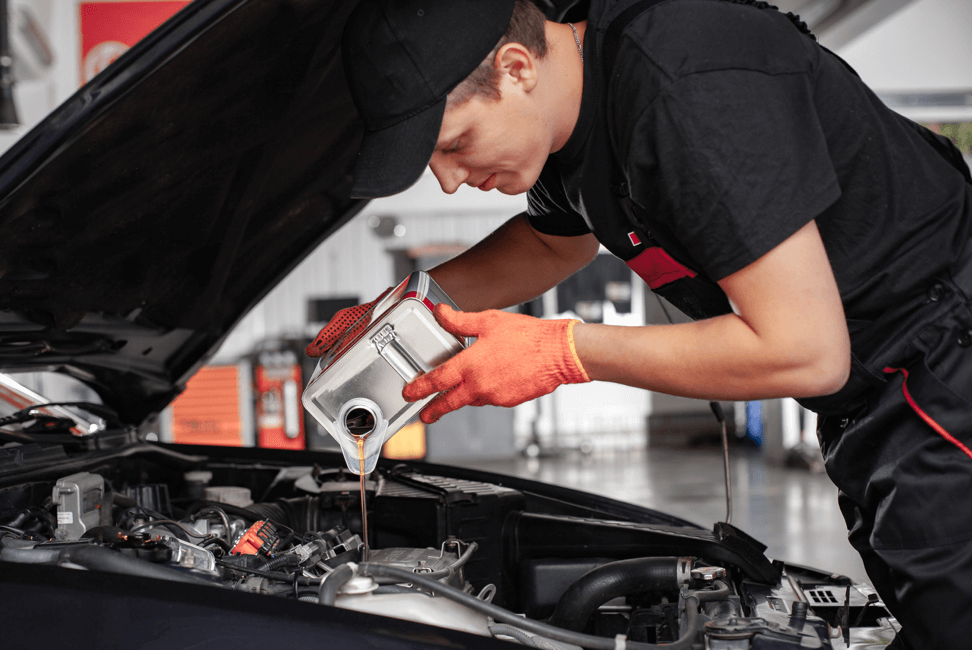
Changing the oil in your car is a crucial maintenance task that ensures your vehicle runs smoothly and efficiently. But how often should you actually do it? The answer isn’t as straightforward as it might seem. Let’s explore the factors that determine oil change frequency, the signs that indicate it’s time for a change, and some best practices to keep your engine healthy.

Understanding Oil Change Frequency
Oil change intervals can vary widely based on several factors, including the make and model of your vehicle, the type of oil used, and your driving habits. Traditionally, many car manufacturers recommended changing the oil every 3,000 miles or three months. However, advancements in engine technology and oil formulations have led to new recommendations. Nowadays, many vehicles can go between 5,000 to 7,500 miles before needing an oil change if using synthetic oil, and some may even stretch to 10,000 or more.
### Factors Influencing Oil Change Needs
1. Type of Oil: The type of oil you use significantly impacts how often you should change it. Conventional oil generally requires more frequent changes compared to synthetic oil, which is designed to last longer under stress.
2. Driving Conditions: Your driving habits play a vital role. If you’re frequently driving in stop-and-go traffic, making short trips, or operating in extreme temperatures, you might need to change your oil more often. These conditions can cause the oil to degrade faster.
3. Vehicle Age and Condition: Older vehicles or those with higher mileage may require more frequent oil changes due to wear and tear on engine components. Regular oil changes can help maintain their performance.
Signs It’s Time for an Oil Change
While mileage and time are good indicators, they’re not the only signs that your car needs an oil change. Here are a few to watch for:
– Oil Color and Consistency: Fresh oil is typically amber and clear. If your oil appears dark and gritty, it may be time for a change.
– Dashboard Warning Lights: Many modern vehicles have oil change lights that will illuminate when it’s time to service the oil. Don’t ignore these warnings!
– Engine Noise: If your engine starts to sound louder or rougher than usual, it could indicate that the oil isn’t providing adequate lubrication.
Best Practices for Oil Changes
To ensure your car remains in top shape, adopt these best practices for oil changes:
– Check Your Owner’s Manual: Always refer to your vehicle’s owner manual for manufacturer recommendations regarding oil change intervals. This is the most reliable source for maintaining your car’s engine health.
– Regular Checks: Make it a habit to check your oil level and quality regularly. This simple task can help you catch any issues before they become major problems.
– Use Quality Oil Filters: When changing oil, always replace the oil filter too. A good filter removes contaminants and helps maintain the quality of your oil over time.
– Stay Consistent: Set a reminder for oil changes based on the mileage or time intervals suggested by your manufacturer. Keeping a consistent oil change schedule can prolong the life of your engine.
In conclusion, while the general rule of thumb may suggest changing your oil every 3,000 miles, this guideline has evolved significantly with advancements in automotive technology. Pay attention to your driving habits, vehicle type, and listen to the signs your car gives you. By staying proactive about oil changes, you can ensure your vehicle remains reliable and efficient for years to come. Remember, regular maintenance is key to keeping your engine running at its best!