
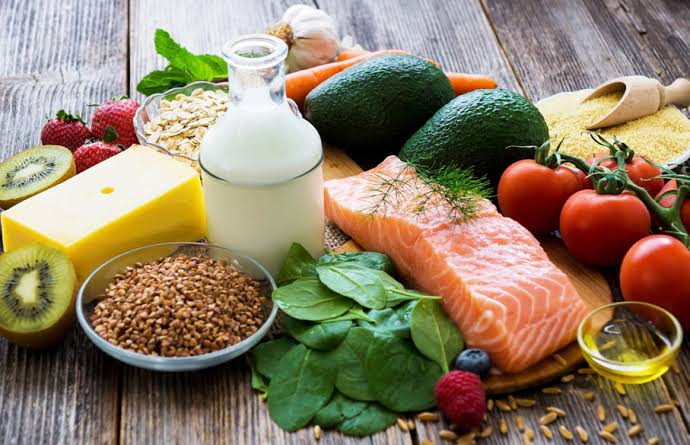
When you’re trying to lose weight, it can be tempting to focus on everything you shouldn’t eat. But a healthier and often more sustainable approach is to focus on the foods you can enjoy.

There isn’t one magical food that causes weight loss. Instead, choosing foods that are filling, nutritious, and relatively low in calories can make it easier to maintain a calorie deficit while still feeling satisfied.
Here are some foods that can be excellent additions to a healthy weight-loss diet.
1. Vegetables
Vegetables are some of the most useful foods to include when you’re trying to lose weight.
Many vegetables are naturally low in calories while providing fiber, vitamins, minerals, and water. Their volume can help make meals more filling.
Try adding:
- Broccoli
- Cauliflower
- Spinach
- Lettuce
- Cucumber
- Bell peppers
- Zucchini
- Green beans
- Carrots
- Tomatoes
Instead of thinking about vegetables as something you have to eat, experiment with different seasonings, sauces, roasting methods, and recipes to find preparations you genuinely enjoy.
2. Eggs
Eggs are a convenient source of protein and can make a satisfying breakfast or meal.
Try scrambled eggs with vegetables, a vegetable omelet, hard-boiled eggs, or eggs paired with whole-grain toast and fruit.
Because protein can help you feel full, including a protein-rich food at meals may make it easier to manage hunger throughout the day.
3. Lean Protein
Protein is especially useful when you’re trying to lose weight because it can help you feel satisfied and supports the maintenance of muscle while losing weight.
Good options include:
- Chicken
- Turkey
- Fish
- Shrimp
- Lean beef
- Eggs
- Greek yogurt
- Cottage cheese
- Tofu
- Beans and lentils
Try building meals around a protein source rather than making carbohydrates or highly processed foods the main part of every meal.
4. Greek Yogurt
Plain Greek yogurt can be a great choice for breakfast or a snack.
It’s relatively high in protein and can be combined with fruit, berries, nuts, or a small amount of honey.
Choosing plain yogurt can also help reduce the amount of added sugar compared with many flavored varieties.
5. Fruit
Fruit sometimes gets an unfair reputation when people are trying to lose weight.
Whole fruit provides fiber, water, vitamins, minerals, and naturally occurring sugars. It can also be a satisfying alternative to candy, cookies, and other highly processed sweets.
Some easy options include:
- Apples
- Strawberries
- Blueberries
- Oranges
- Peaches
- Watermelon
- Bananas
- Grapes
Try keeping fruit easily accessible so it’s convenient when you want something sweet.
6. Beans and Lentils
Beans and lentils are nutritious sources of protein and fiber.
They can be especially useful in meals because they are filling and versatile. Add them to soups, salads, tacos, bowls, or chili.
Black beans, kidney beans, chickpeas, and lentils are all options worth trying.
7. Whole Grains
You don’t necessarily need to eliminate carbohydrates to lose weight.
Whole-grain foods can provide fiber and other nutrients while making meals more satisfying.
Consider foods such as:
- Oatmeal
- Brown rice
- Quinoa
- Whole-grain bread
- Whole-wheat pasta
- Barley
Portion sizes still matter because even nutritious foods contain calories.
8. Potatoes
Potatoes can absolutely be part of a weight-loss-friendly diet.
The biggest difference often comes from how they’re prepared. A baked or boiled potato is very different from a large serving of french fries covered in high-calorie toppings.
Try baked potatoes topped with vegetables and lean protein, roasted potatoes, or boiled potatoes as part of a balanced meal.
9. Nuts and Seeds
Nuts and seeds provide healthy fats, protein, fiber, and other nutrients.
However, they’re also calorie-dense, meaning portions can add up quickly.
A small serving of almonds, walnuts, pistachios, chia seeds, or pumpkin seeds can be a satisfying addition to a meal or snack.
10. Foods With Lots of Water
Foods with high water content can add volume to meals without adding a large number of calories.
Examples include:
- Watermelon
- Cucumber
- Tomatoes
- Strawberries
- Lettuce
- Broth-based soups
- Oranges
These foods can be particularly refreshing and filling when incorporated into balanced meals.
Don’t Forget About What You Drink
Sometimes people carefully watch what they eat while overlooking beverages.
Soda, sweetened coffee drinks, energy drinks, alcohol, and other calorie-containing beverages can contribute a significant number of calories.
Water is an excellent everyday choice. Unsweetened tea and coffee can also fit into a healthy eating pattern.
You don’t necessarily have to give up every beverage you enjoy, but being aware of liquid calories can be helpful when you’re trying to lose weight.
Build Balanced Meals
Rather than searching for a single “best” weight-loss food, try creating balanced meals.
A simple meal might include:
Protein + vegetables + a high-fiber carbohydrate + a small amount of healthy fat
For example, you could have grilled chicken, roasted vegetables, a baked potato, and a small amount of avocado.
Another option might be Greek yogurt with berries, oatmeal, and a few nuts.
The goal isn’t to make every meal perfect. It’s to create eating habits that you can realistically maintain.
What About Your Favorite Foods?
You don’t necessarily have to completely eliminate pizza, pasta, chocolate, desserts, or other foods you enjoy.
For many people, an overly restrictive diet can be difficult to maintain. Instead, consider enjoying favorite foods in reasonable portions while making nutritious foods the foundation of your diet.
Weight loss is influenced by your overall calorie intake and expenditure over time, not by whether you completely avoid one particular food.
The Bottom Line
There is no single food that magically makes you lose weight.
The most helpful foods are generally those that provide plenty of nutrients and help you feel satisfied while fitting into an appropriate calorie intake. Vegetables, fruit, lean proteins, beans, whole grains, yogurt, eggs, and other minimally processed foods can all be part of a healthy weight-loss plan.
Most importantly, focus on creating eating habits that you can maintain over the long term rather than searching for a quick fix.
Healthy weight loss is about building sustainable habits—not eliminating every food you love.