
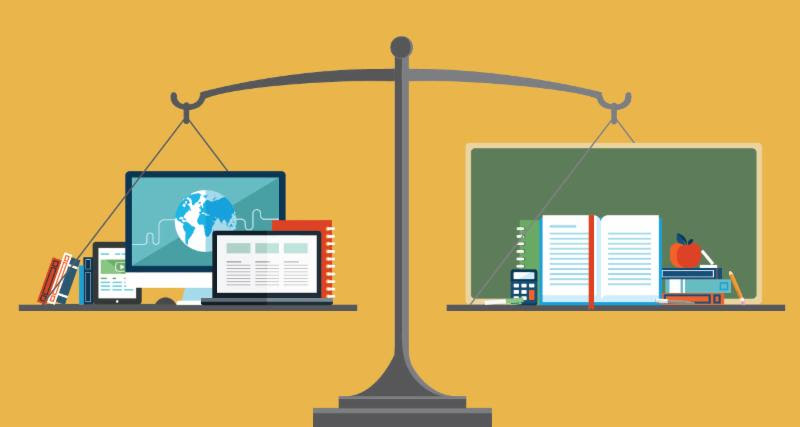
In an age where technology continually reshapes how we learn and interact, the debate between e-learning and traditional learning has never been more relevant. As students, educators, and institutions weigh their options, it’s crucial to understand the strengths and weaknesses of each approach. This article aims to explore both methods of education, diving into their unique characteristics, advantages, and challenges.
Understanding E-Learning
E-learning, or online learning, leverages digital technologies to facilitate education from anywhere in the world. It includes various formats such as video lectures, interactive modules, webinars, and virtual classrooms. This mode of learning has gained immense popularity, especially with the rise of accessible internet and advanced technologies.
One of the most notable benefits of e-learning is flexibility. Students can tailor their study schedules to fit their lifestyles, allowing for a better work-life balance. Moreover, e-learning often provides access to a wealth of resources that might be challenging to obtain in a traditional setting, including digital libraries and recorded lectures.
Another significant advantage is the cost-effectiveness associated with many online courses. Tuition fees for online programs are frequently lower than those for traditional college courses, making education more accessible for a diverse range of learners. Additionally, students save money on commuting and materials, further enhancing the affordability of e-learning.

Exploring Traditional Learning
On the flip side, traditional learning, which occurs within physical classrooms, offers a different set of benefits. One of its most significant advantages lies in the face-to-face interaction among students and instructors. This personal connection can lead to deeper understanding and stronger relationships, often fostering an environment conducive to collaborative learning.
In traditional educational settings, structure plays a vital role. Classes happen at designated times, requiring students to adhere to a schedule that can instill discipline and time management skills. This structured environment can be particularly beneficial for younger students or those who thrive on routine. Furthermore, the immediate feedback from teachers during in-person interactions can enhance comprehension and retention of material.
Traditional learning also promotes engagement through hands-on activities, discussions, and real-time problem-solving. These elements can help students develop critical thinking skills and adaptability, qualities that are essential in today’s fast-paced world.
The Pros and Cons: A Balanced Perspective
While e-learning and traditional learning each hold distinct advantages, they also present challenges. E-learning, despite its flexibility, requires a high degree of self-discipline and motivation. Students may struggle without the structure of scheduled classes and can feel isolated without face-to-face interactions. Technical issues or lack of reliable internet access can also hinder progress, making it less accessible for some learners.
Conversely, traditional learning can be limited in terms of accessibility, especially for those with rigid work schedules or geographic restrictions. Additionally, some students may find the traditional classroom environment stifling or not conducive to their learning style. The one-size-fits-all approach often fails to accommodate diverse needs and paces of learning.
Choosing the Best Fit: Hybrid Learning Models
As education evolves, a hybrid model, which incorporates elements of both e-learning and traditional learning, is gaining traction. This approach merges the best of both worlds, offering flexibility while retaining the benefits of in-person interactions. Students can enjoy the convenience of online resources and the camaraderie of classroom discussions, creating a well-rounded learning experience.
Institutions are increasingly adopting these blended models, providing various formats for different types of learners. Whether a student thrives in a traditional setting or excels in an online environment, hybrid learning enables them to choose what suits them best.
The Future of Learning
The debate between e-learning and traditional learning is not about determining which method is superior; rather, it’s about recognizing that different people have different needs and learning preferences. As technology continues to advance, the future of education will likely involve a blend of both styles, catering to the diverse landscape of learners. Ultimately, whether through physical classrooms or virtual platforms, the goal is to provide quality education that empowers students to succeed in an ever-changing world.