
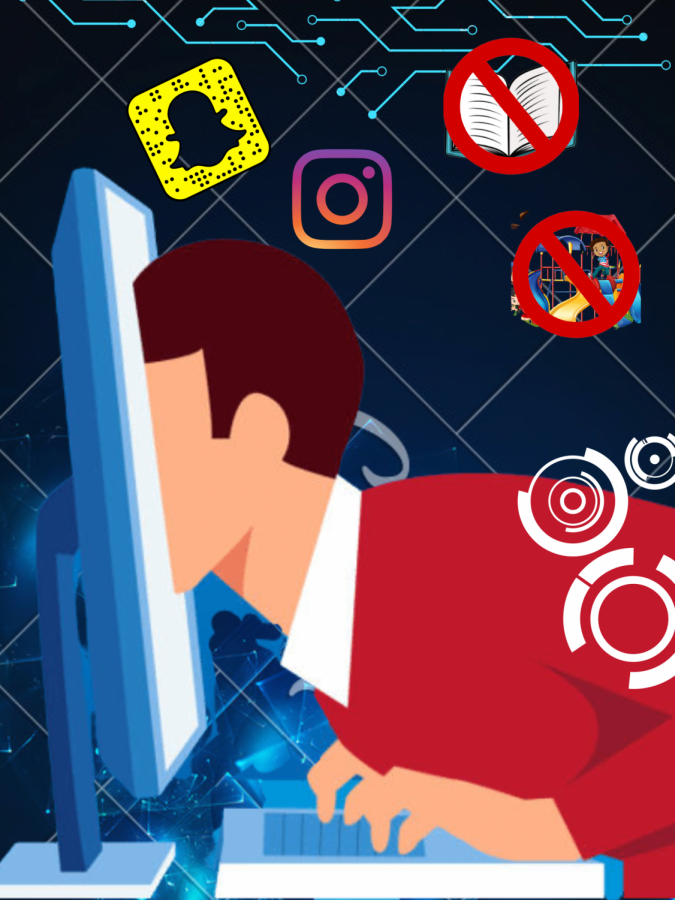
In today’s fast-paced world, technology has become deeply entwined in our daily lives. From smartphones and laptops to smart home devices, it seems that every aspect of our existence is influenced by some form of technology. While these innovations offer remarkable conveniences, there’s a growing concern about over dependence on technology and its effects on our society, health, and personal relationships. This article explores the implications of our reliance on technological advancements, offering insights into how we can strike a healthier balance.
The Double-Edged Sword of Convenience
There’s no denying that technology has significantly enhanced our quality of life. Critical tasks that once took hours can now be accomplished in mere minutes. Whether it’s ordering groceries online or attending virtual meetings, the convenience factor is undeniable. However, this ease can lead to a sense of complacency. As we become accustomed to technology doing everything for us, we may start losing touch with fundamental skills and practices.
Consider communication, for instance. Text messaging and social media have largely replaced face-to-face interactions. While these methods are efficient, they can sometimes lack the emotional depth of in-person conversations. This shift can lead to misunderstandings and a sense of isolation, shedding light on how over reliance on technology can diminish our interpersonal abilities and emotional well-being.

Impact on Mental Health and Well-being
One of the most significant issues stemming from over dependence on technology is its impact on mental health. Repeated exposure to screens has been linked to various psychological challenges, including anxiety, depression, and sleep disorders. The constant stream of notifications and information can create an overwhelming feeling of obligation to stay plugged in, fostering an environment where individuals feel compelled to respond instantly.
Moreover, the curated lives portrayed on social media platforms can lead to unhealthy comparisons and diminished self-esteem. The pressure to maintain an ever-present online persona can exacerbate feelings of inadequacy, especially among younger individuals who are particularly susceptible to these influences. As we immerse ourselves in digital landscapes, it’s essential to prioritize mental health by carving out tech-free time to engage in real-world experiences.
Reconnecting with Reality: Finding Balance
To combat the adverse effects of over dependence on technology, developing a conscious strategy for managing our digital consumption is crucial. One effective approach is the implementation of tech-free zones or times in our daily routines. For example, setting aside meals as family time without devices encourages meaningful conversations and bonds. Likewise, allocating specific times for checking emails or social media can create healthier boundaries, allowing us to focus on what truly matters.
Engaging in hobbies that don’t involve screens can also provide a refreshing break from the digital world. Activities like reading, gardening, or playing sports encourage creativity and physical activity, promoting overall well-being. By rediscovering pastimes that foster mindfulness and engagement with the present moment, we can reclaim our time and attention from the clutches of technology.
Future Perspectives: Embracing Technology Mindfully
As we move forward in an increasingly digital landscape, embracing technology mindfully is essential. This means using tech as a tool to enhance our lives without letting it dictate them. Education, for instance, can greatly benefit from technology when integrated thoughtfully. Online learning platforms can facilitate access to knowledge while encouraging students to engage critically rather than passively consume information.
Additionally, companies and organizations have the opportunity to create healthier work environments by recognizing the importance of work-life balance and reducing reliance on constant connectivity. By promoting practices such as flexible schedules and regular breaks, employers can help mitigate the risks associated with burnout and stress related to over dependence on technology.
**Conclusion: A Path Forward**
In conclusion, while technology undoubtedly enriches our lives in countless ways, it’s vital to recognize the signs of over dependence and the potential consequences that come with it. Finding a balance between embracing innovation and maintaining our human connection is key to ensuring that technology serves us rather than the other way around. By implementing mindful practices, fostering real-world interactions, and prioritizing mental well-being, we can navigate the digital age with intent and purpose, enjoying the benefits of technology while safeguarding our humanity.