
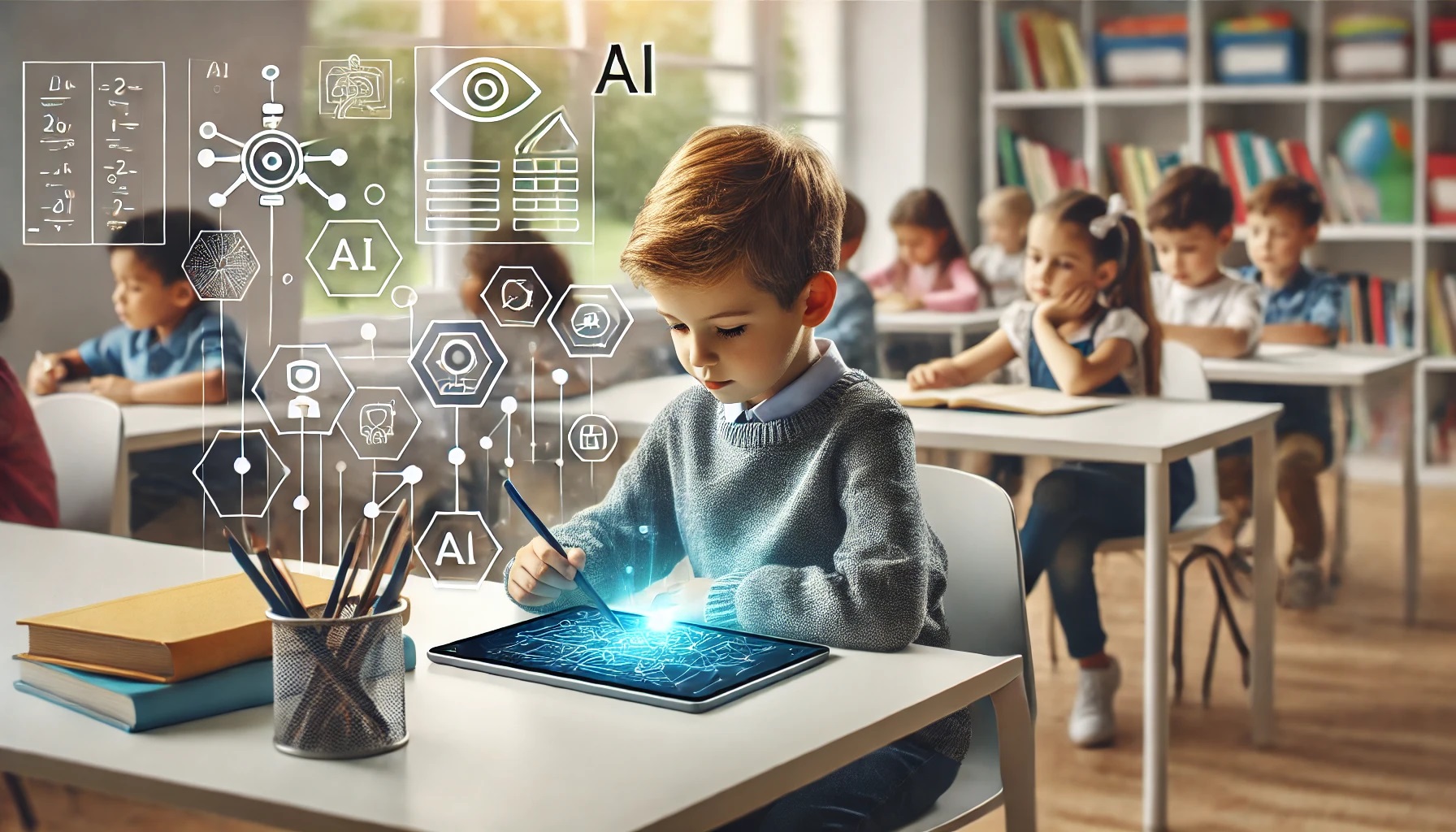
In recent years, artificial intelligence (AI) has transitioned from a futuristic concept to an integral part of everyday life. One of the most notable sectors where AI is making waves is education. This technological revolution is reshaping the way teachers instruct and students learn. But how exactly is AI being used in schools, and what implications does it have for the future of education?
Personalized Learning: Tailoring Education to Individual Needs
One of the most significant benefits of AI in the classroom is its ability to deliver personalized learning experiences. Traditional teaching methods often take a one-size-fits-all approach, which can leave some students behind while others race ahead. AI-powered platforms, such as intelligent tutoring systems, assess individual students’ strengths, weaknesses, and learning styles. They then adapt lessons accordingly.
For instance, if a student struggles with math concepts, AI can provide targeted exercises and feedback, enabling them to grasp challenging topics at their own pace. This level of customization not only enhances engagement but also fosters a more inclusive learning environment, ensuring that every student receives the attention they need to succeed.

Streamlining Administrative Tasks: More Time for Teaching
Teachers often juggle various responsibilities, from lesson planning to grading assignments—tasks that can consume precious hours. Here’s where AI really shines. By automating administrative duties, such as attendance tracking and grading multiple-choice tests, AI allows educators to devote more time to instruction and student interaction.
For example, applications like Gradescope use AI to facilitate faster grading processes through optical character recognition (OCR), analyzing students’ responses and providing instant feedback. As a result, teachers can focus on creating engaging lessons and addressing individual student needs rather than getting bogged down by paperwork.
Enhancing Engagement: Interactive Learning Tools
Moreover, AI is transforming classroom engagement through interactive tools. Virtual reality (VR) and augmented reality (AR) experiences powered by AI are becoming more prevalent, immersing students in subjects like history or science in ways textbooks cannot. Imagine learning about ancient civilizations by virtually walking through their streets or exploring the solar system through a 3D simulation.
These technologies not only captivate students’ attention; they also promote deeper understanding through experiential learning. By leveraging AI’s capabilities, educators can foster curiosity and excitement in their students, inspiring them to explore subjects more thoroughly.
Addressing Challenges: The Ethical Considerations of AI in Education
While the integration of AI into educational settings offers numerous advantages, it also raises important ethical considerations. Data privacy, algorithmic bias, and the potential for over-reliance on technology are concerns that educators, policymakers, and parents must navigate carefully.
The use of AI systems involves collecting vast amounts of data, raising questions about how this information is protected and used. Schools must implement robust policies to ensure student data privacy while maintaining transparency in AI’s decision-making processes. Moreover, it’s crucial to address biases in AI algorithms to ensure that AI systems do not disadvantage any group of students based on ethnicity, gender, or socio-economic status.
It’s essential for educational institutions to strike a balance, leveraging AI’s benefits while remaining vigilant about its limitations.
The Future of AI in Education
As we look to the future, it’s clear that AI will continue to play a significant role in shaping the educational landscape. From personalized learning experiences to administrative efficiency, the potential applications of AI seem boundless. However, with this progress comes the responsibility to address ethical considerations actively.
By fostering a collaborative approach—where educators, technology developers, and policymakers work together—schools can harness AI’s potential to enhance learning, all while ensuring that it serves to empower rather than hinder students’ educational journeys. The evolution of AI in education holds promise, paving the way for innovative and inclusive approaches to teaching and learning in the 21st century. As schools embrace this technology, the ultimate goal remains the same: nurturing curious, capable, and confident learners who are prepared for the challenges ahead.