
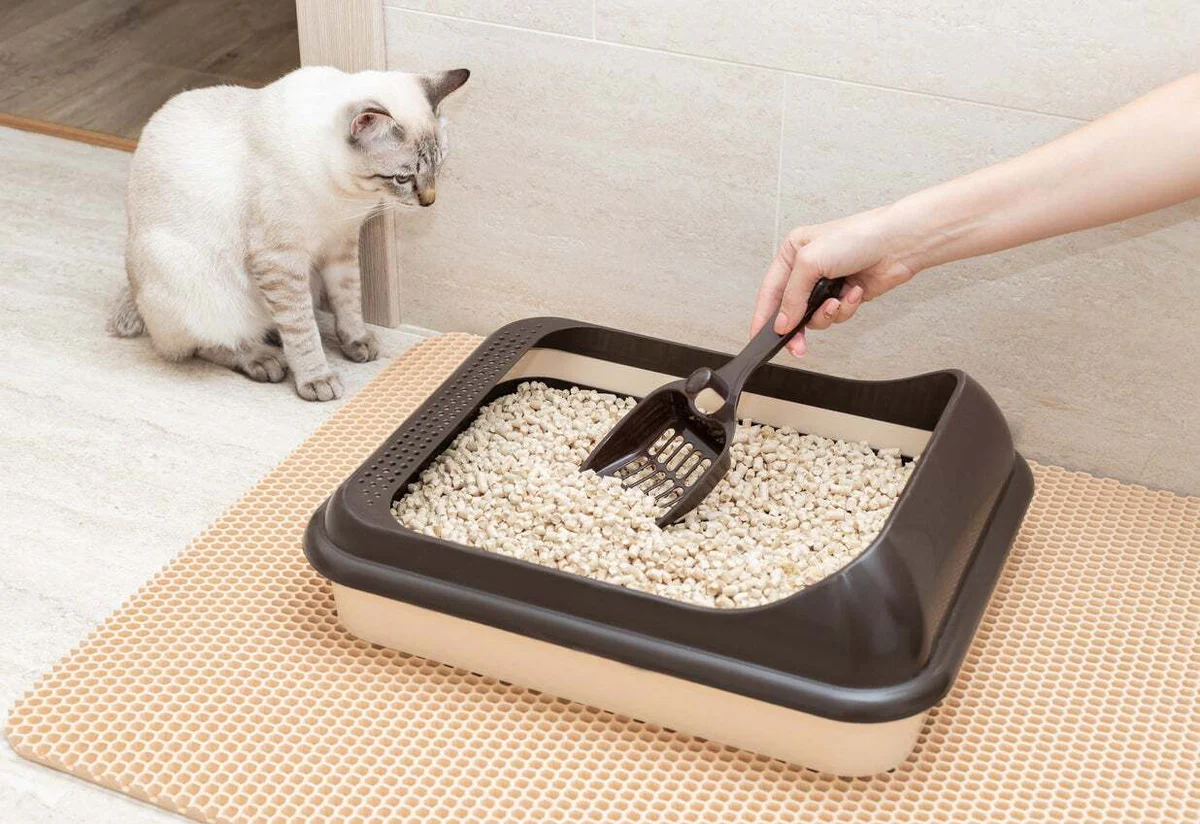
When you welcome a cat into your home, one of the essential aspects of caring for them is ensuring they have a clean and safe place to relieve themselves. Cat litter is a crucial part of this equation, but have you ever wondered if it could be harmful to your furry friend? With various types of litter available on the market, each with its own ingredients and potential risks, it’s essential to understand the impact that cat litter can have on your pet’s health.
The Different Types of Cat Litter: What Should You Know?
There are several types of cat litter available, each with its unique properties. The most common types include clumping clay, non-clumping clay, crystal, biodegradable, and paper-based litters.
1. Clumping Clay Litter: Typically made from sodium bentonite clay, this litter forms hard clumps when wet, making it easy to clean. However, concerns have been raised about the dust it produces, which can irritate your cat’s respiratory system.
2. Non-Clumping Clay Litter: Often composed of clay and other minerals, this type absorbs moisture without forming clumps. While it may be less messy, it can still create dust and may not effectively control odors.
3. Crystal Litter: Made from small crystals, this litter absorbs moisture and controls odors well. However, some cats may find it uncomfortable under their paws, leading to avoidance.
4. Biodegradable and Paper-Based Litters: These are made from natural materials like wood, corn, or recycled paper. They’re generally considered safer for both pets and the environment, but some may not clump as effectively as clay options.
Understanding these different types can help you make an informed decision about the best litter for your cat while considering potential risks to their health.

Potential Health Risks Associated with Cat Litter
While many cat litters are marketed as safe, there are several health risks associated with their use that pet owners should be aware of:
– Respiratory Irritation: Dust produced by certain litters, particularly clumping clay, can lead to respiratory irritation in both cats and humans. Cats with pre-existing conditions such as asthma may be more susceptible to the effects of fine particles.
– Chemical Exposure: Some litters are treated with fragrances, chemicals, or deodorizers to mask odors. These additives can cause allergic reactions, skin irritations, or respiratory issues in sensitive cats.
– Ingestion Hazards: Cats are known to groom themselves frequently, and if they ingest litter while cleaning their paws, it can lead to gastrointestinal issues. Certain types of clumping clay litter can swell up in their stomachs, potentially causing blockages.
– Toxicity Concerns: Clay litters made from sodium bentonite may not be toxic in small amounts, but prolonged exposure may lead to health concerns. Moreover, some products are treated with substances that can be harmful if ingested or inhaled over time.
How to Choose Safe Cat Litter for Your Feline Friend
When selecting cat litter, consider your cat’s needs and preferences. Here are some tips to ensure you’re choosing a safe option:
1. Opt for Dust-Free Options: Look for low-dust or dust-free litter to minimize respiratory irritants. Many brands now offer hypoallergenic varieties designed specifically for sensitive cats.
2. Consider Natural Alternatives: Biodegradable litters made from corn, wheat, or recycled paper can be great alternatives to traditional clay litters. These options often have fewer chemicals and less environmental impact.
3. Test Your Cat’s Preference: Each cat has unique preferences, so try different types of litter to see which one they prefer. A happy cat will likely use their litter box without issue.
4. Regular Maintenance: Regardless of the type of litter you choose, regular cleaning is essential. Keep the litter box scooped daily and change out the litter regularly to maintain hygiene and reduce odors.
Making Choices with Confidence**
In summary, while cat litter itself is not inherently harmful, it’s crucial to consider the type of litter you use and how it may impact your feline friend. By being mindful of the potential risks associated with different litter types, you can make informed choices that protect your cat’s health. Monitoring your pet’s behavior and ensuring they feel comfortable using their litter box can lead to a happy and healthy home for both you and your beloved cat. After all, our pets deserve the best care we can provide!