

Fostering a newborn kitten can be one of the most rewarding experiences for an animal lover. These tiny, fragile kittens often need round-the-clock care, patience, and plenty of love during the first few weeks of life. Whether you found an orphaned kitten or are working with a local animal shelter or rescue, providing a safe temporary home can give a vulnerable kitten the chance to grow into a healthy, happy cat.
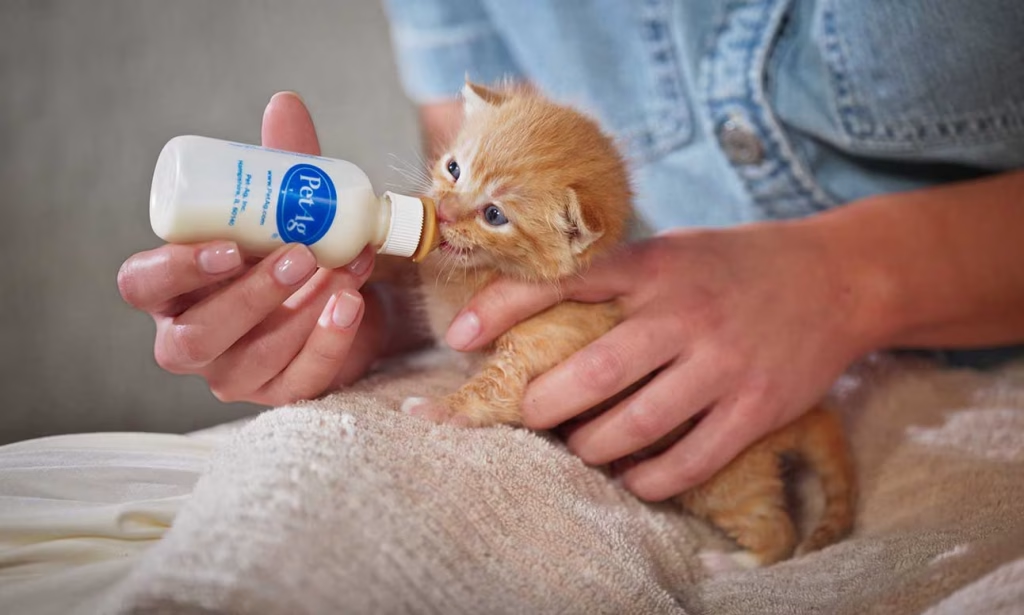
However, caring for a newborn kitten is a big responsibility. They have very different needs from older kittens and require careful attention to feeding, warmth, hygiene, and development.
Here’s what you should know before bringing a newborn kitten into your home.
What Is a Foster Kitten?
A foster kitten is a kitten temporarily cared for by someone outside of a shelter or rescue facility. Foster families provide the daily care the kitten needs until it is old enough to be adopted or returned to the rescue organization.
Newborn kittens are particularly likely to need foster homes because shelters can be stressful environments for very young animals. A quiet, warm home can give them the ideal environment to develop.
First, Make Sure the Kitten Really Is Orphaned
If you discover a tiny kitten outdoors, your first instinct may be to rescue it immediately. However, it’s important to determine whether the mother cat is nearby.
Mother cats sometimes leave their kittens temporarily while searching for food. If the kittens appear warm, clean, quiet, and well-fed, the mother may still be caring for them.
If it is safe to do so, contact a local animal rescue organization or veterinarian for advice before assuming the kitten has been abandoned.
If the kitten is cold, injured, extremely weak, having trouble breathing, or otherwise appears seriously ill, seek veterinary assistance immediately.
Keeping a Newborn Kitten Warm
One of the most important things to understand about newborn kittens is that they cannot regulate their body temperature well.
A warm, secure environment is essential.
A small box, carrier, or kitten-safe enclosure lined with clean, soft bedding can provide a comfortable space. A veterinarian or rescue organization can advise you about an appropriate heating setup.
Never place a heating source directly against the kitten. The kitten needs to be able to move away from the heat if it becomes too warm.
Always check the temperature of the kitten and its environment rather than relying solely on how the room feels to you.
Feeding a Newborn Kitten
Newborn kittens have very small stomachs and need frequent feedings.
If the kitten doesn’t have a mother available, you’ll generally need a commercially prepared kitten milk replacer rather than regular cow’s milk. Cow’s milk does not provide the appropriate nutrition for a newborn kitten and can cause digestive problems.
Very young kittens may need to be fed every few hours, including during the night. The exact feeding schedule and amount depend on the kitten’s age, weight, and health.
A veterinarian or experienced rescue organization can show you how to safely feed a newborn kitten and determine how much it should receive.
Never Feed a Cold Kitten
If a newborn kitten is cold or hypothermic, feeding it can be dangerous. Warming the kitten safely and contacting a veterinarian or rescue professional should come first.
This is one reason having guidance from a rescue organization or veterinarian is so valuable when caring for an orphaned newborn.
Helping the Kitten Go to the Bathroom
Very young kittens cannot eliminate on their own.
Mother cats normally stimulate their kittens to urinate and defecate by grooming them. Orphaned kittens may therefore need gentle stimulation after feeding.
A veterinarian, shelter, or experienced foster coordinator can demonstrate the proper technique. Keeping the kitten and bedding clean is also important because newborns are especially vulnerable to infections and irritation.
Weighing Your Foster Kitten
One of the easiest ways to monitor a newborn kitten’s progress is by weighing it regularly with an appropriate kitchen or small animal scale.
Keep a written record of the kitten’s weight and feeding information. Consistent weight gain is an important sign that the kitten is developing properly.
If the kitten isn’t gaining weight, loses weight, refuses multiple feedings, or seems unusually weak or lethargic, contact a veterinarian or your foster coordinator promptly.
Creating a Safe Space
Newborn kittens don’t need a huge amount of room. In fact, a small, secure enclosure can make it easier to keep them warm and monitor their feeding and bathroom needs.
Keep the kitten away from:
- Other household pets
- Young children without close adult supervision
- Drafts
- Excessive noise
- Toxic plants and household chemicals
- Small objects that could be swallowed
Wash your hands before and after handling the kitten, particularly if you have other animals in your home.
Socializing Your Foster Kitten
As the kitten gets older, socialization becomes increasingly important.
Gentle handling can help kittens become comfortable around people. As they grow, they can gradually be introduced to age-appropriate sights, sounds, toys, and experiences in a safe and controlled environment.
Always follow the recommendations of your veterinarian or rescue organization. A newborn kitten’s needs change quickly as it grows.
The Weaning Stage
At some point, your tiny bottle-fed kitten will begin transitioning to solid food.
The timing varies depending on the kitten’s age and development. Weaning should be gradual rather than rushed.
Your foster coordinator or veterinarian can tell you when it’s appropriate to begin introducing kitten food and how to transition away from milk replacer.
Watching a tiny kitten go from needing a bottle to eating independently can be an incredibly rewarding milestone!
Veterinary Care Is Essential
Newborn kittens are fragile, and health problems can develop quickly. Veterinary care is an important part of fostering.
Depending on the kitten’s circumstances, veterinary care may include examinations, parasite treatment, vaccinations when age-appropriate, and other necessary medical treatment.
Contact a veterinarian promptly if you notice concerning symptoms such as:
- Difficulty breathing
- Persistent vomiting or diarrhea
- Severe weakness or lethargy
- Refusing to eat
- Significant weight loss
- Persistent crying
- Abnormal body temperature
- Eye or nasal discharge
- Signs of injury
When caring for a newborn kitten, it’s always better to ask for help when something doesn’t seem right.
Fostering Can Be Emotionally Difficult
One of the hardest parts of fostering a kitten is eventually saying goodbye.
You may spend weeks caring for the kitten, feeding it during the night, watching it learn to walk, and celebrating every little milestone. Naturally, you can become attached.
Remember that the goal of fostering is to help the kitten become healthy and ready for its permanent home.
The goodbye can be difficult, but knowing that you helped give the kitten a better start in life can make it incredibly worthwhile.
Tips for First-Time Kitten Fosters
If you’re considering fostering a newborn kitten for the first time, preparation can make the experience much easier.
Before bringing the kitten home:
- Contact a reputable rescue or shelter for guidance.
- Set up a warm, secure area.
- Have kitten milk replacer and feeding supplies ready if needed.
- Have a plan for veterinary care.
- Keep a record of feedings, weight, and bathroom habits.
- Learn the warning signs that require veterinary attention.
- Make sure everyone in the household understands how delicate the kitten is.
- Keep other pets separated unless your veterinarian or rescue organization recommends otherwise.
Most importantly, don’t be afraid to ask questions. Experienced foster coordinators can be an incredible resource.
The Reward of Fostering
Fostering a newborn kitten requires time, patience, and commitment, but it can also be an incredibly special experience.
You get to watch a tiny, vulnerable animal grow stronger day by day. The kitten that once needed help with every aspect of life may eventually become a playful, confident cat ready for a loving forever home.
If you’ve ever considered fostering, reach out to a local animal shelter or rescue organization to learn about their foster programs. You may be surprised by how much of a difference one person can make.
A little warmth, patience, and love can give a newborn kitten the fresh start it deserves.