
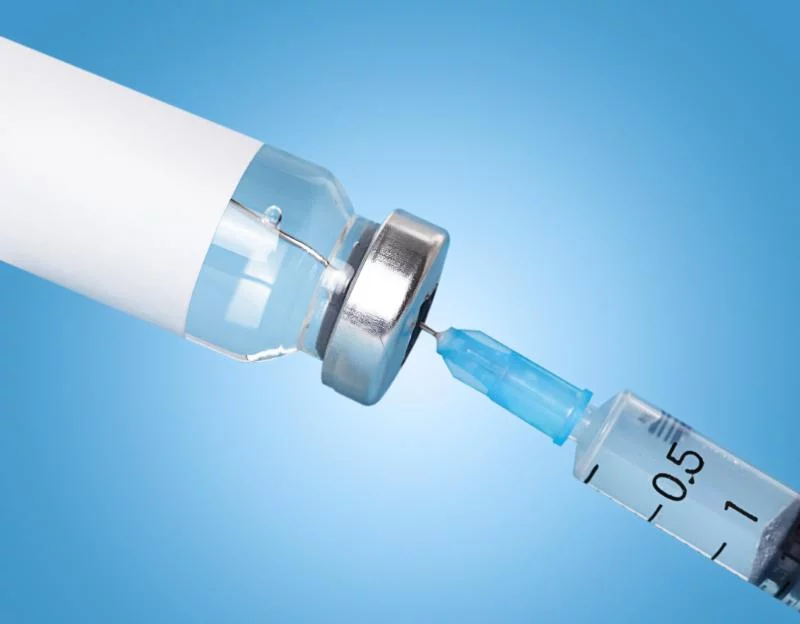
Weight loss can be challenging, especially when diet and exercise alone don’t produce the results you’re hoping for. In recent years, medications such as tirzepatide have gained significant attention as a potential tool for people struggling with obesity or excess weight.
But what exactly is tirzepatide, how does it work, and what should you know before considering it for weight loss? Here’s a closer look.
What Is Tirzepatide?
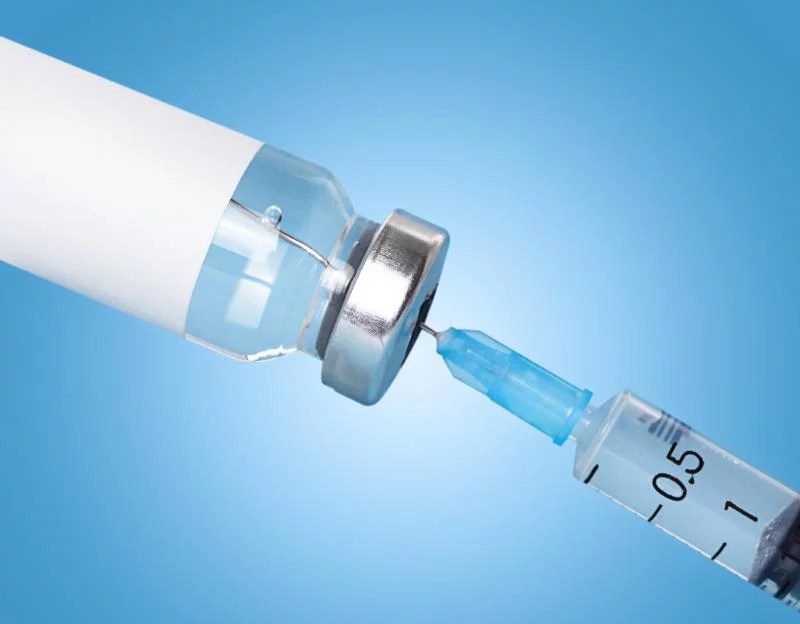
Tirzepatide is a prescription medication that works on two hormone pathways involved in appetite, blood sugar regulation, and digestion. It is commonly administered as a once-weekly injection.
The medication is available under brand names including Zepbound, which is approved for chronic weight management in certain adults and adolescents, and Mounjaro, which is approved for managing type 2 diabetes.
Because tirzepatide affects appetite and metabolism, it can help some people consume fewer calories and lose a significant amount of weight when combined with lifestyle changes.
How Does Tirzepatide Help With Weight Loss?
One of the reasons tirzepatide has attracted so much attention is the way it affects hunger and fullness.
Tirzepatide activates receptors associated with two naturally occurring hormones called GIP and GLP-1. These hormones play important roles in regulating blood sugar and appetite.
For some people, taking tirzepatide may:
- Reduce hunger and food cravings
- Increase feelings of fullness after eating
- Slow the movement of food through the stomach
- Help regulate blood sugar
- Make it easier to maintain a calorie deficit
These effects can make it easier for people to follow a reduced-calorie eating plan over time.
How Much Weight Can You Lose With Tirzepatide?
Weight-loss results vary considerably from person to person.
Clinical studies have found that people taking tirzepatide can experience substantial weight loss over time, particularly when the medication is combined with healthy eating and regular physical activity.
However, there is no guaranteed amount of weight that anyone will lose. Results can depend on factors such as dosage, starting weight, diet, physical activity, other medications, genetics, and overall health.
It’s also important to remember that weight loss generally occurs over months rather than days or weeks. Tirzepatide is not intended to be a quick-fix solution.
What Is the Typical Tirzepatide Schedule?
Tirzepatide is generally started at a lower dose and gradually increased by a healthcare professional. The gradual approach can help the body adjust to the medication and may reduce certain gastrointestinal side effects.
The appropriate dose is different for each person. You should never increase your dose on your own. Your healthcare provider can determine the appropriate dosing schedule based on your response and medical history.
Common Side Effects of Tirzepatide
Like any prescription medication, tirzepatide can cause side effects.
Some of the more common side effects include:
- Nausea
- Diarrhea
- Constipation
- Vomiting
- Decreased appetite
- Stomach discomfort
- Indigestion
For many people, gastrointestinal symptoms are more noticeable when starting treatment or increasing the dose and may improve with time.
Eating smaller meals, eating slowly, staying hydrated, and avoiding very large or particularly rich meals may help some people manage digestive symptoms.
Is Tirzepatide Safe?
Tirzepatide can be an effective medication for appropriate patients, but it isn’t right for everyone.
Before starting treatment, it’s important to discuss your medical history, medications, allergies, and other health considerations with a qualified healthcare professional.
Tirzepatide also carries important warnings and precautions. For example, it has a boxed warning concerning thyroid C-cell tumors based on findings in rats. It should not be used by people with a personal or family history of medullary thyroid carcinoma or by people with Multiple Endocrine Neoplasia syndrome type 2.
There are also other situations in which tirzepatide may not be appropriate or may require additional medical consideration.
Never start, stop, or change a prescription weight-loss medication without talking to your healthcare provider.
Tirzepatide Isn’t a Replacement for Healthy Habits
Although tirzepatide can reduce appetite, healthy lifestyle habits remain an important part of long-term weight management.
A balanced approach can include:
Eating a Nutrient-Dense Diet
Focus on foods that provide protein, fiber, vitamins, and minerals. Lean proteins, vegetables, fruits, whole grains, and other minimally processed foods can help support overall nutrition.
Prioritizing Protein
Getting enough protein can be particularly important during weight loss because maintaining muscle mass is an important part of maintaining strength and metabolic health.
Staying Hydrated
Drinking enough fluids is important, especially if you’re experiencing vomiting or diarrhea. Your healthcare provider can help you determine an appropriate hydration strategy.
Staying Physically Active
Walking, strength training, and other forms of exercise can complement weight-loss treatment. Strength training may be particularly useful for supporting muscle during weight loss.
What Happens When You Stop Tirzepatide?
One important consideration is what happens after treatment ends.
Tirzepatide helps regulate appetite while you are taking it, so stopping the medication can lead to increased hunger and, for some people, weight regain. This doesn’t mean treatment has failed; rather, obesity and excess weight can be chronic conditions that require ongoing management.
Your healthcare provider can help you develop a long-term plan and determine whether continuing, adjusting, or stopping treatment is appropriate.
Who May Be a Candidate for Tirzepatide?
Prescription tirzepatide for weight management is generally intended for people who meet specific medical criteria related to body weight and health.
A healthcare professional can evaluate factors such as:
- Body mass index (BMI)
- Weight-related health conditions
- Current medications
- Medical history
- Previous weight-loss attempts
- Potential medication risks
- Individual treatment goals
The best way to determine whether tirzepatide is appropriate is through a conversation with a qualified healthcare professional.
Tips for Getting the Most From Your Weight-Loss Journey
If you’ve been prescribed tirzepatide, remember that medication is only one part of the process.
Try to focus on sustainable habits rather than trying to lose weight as quickly as possible. Eat nutritious foods, stay active, get adequate sleep, drink enough fluids, and keep your healthcare appointments.
It can also be helpful to track more than just the number on the scale. Changes in energy, clothing fit, strength, blood pressure, blood sugar, and other health markers may also be meaningful.
The Bottom Line
Tirzepatide has become an important option in the treatment of obesity and weight management. By influencing appetite, fullness, blood sugar regulation, and digestion, it can help some people achieve significant weight loss when used alongside lifestyle changes.
However, tirzepatide isn’t appropriate for everyone, and it isn’t a magic solution. It is a prescription medication with potential side effects and important safety considerations.
If you’re considering tirzepatide for weight loss, talk with a qualified healthcare professional who can determine whether it is appropriate for you and help create a safe, personalized treatment plan.
Disclaimer: This article is for general educational purposes only and is not medical advice. Always consult your doctor or another qualified healthcare professional before starting or changing any prescription medication.